
Practicum Placement (Co-op)
The ISP 399 Practicum Field Placement is a required, credit-bearing experience that bridges academic study with real-world professional practice. Typically completed during the summer semester between the third and fourth years, the practicum consists of 200 hours of supervised fieldwork and is equivalent to 15 academic credits. It is designed to help students apply classroom learning in meaningful settings while developing professional competencies relevant to Islamic Studies and their chosen specialization.
Explore Courses
Integrated, faith-informed practice
A supervised placement that helps you apply Islamic Studies learning in real settings, guided by ethical principles, community responsibility, and an integrated Islamic framework.
Professional skills and workplace readiness
Build core career skills through hands-on experience—communication, teamwork, problem-solving, and professional conduct—while learning how to contribute effectively in structured organizations.
Real-world experience and career clarity
Gain 200 hours of practical fieldwork and expand your network, explore pathways aligned with your specialization, and make informed decisions about employment, graduate study, or community leadership.

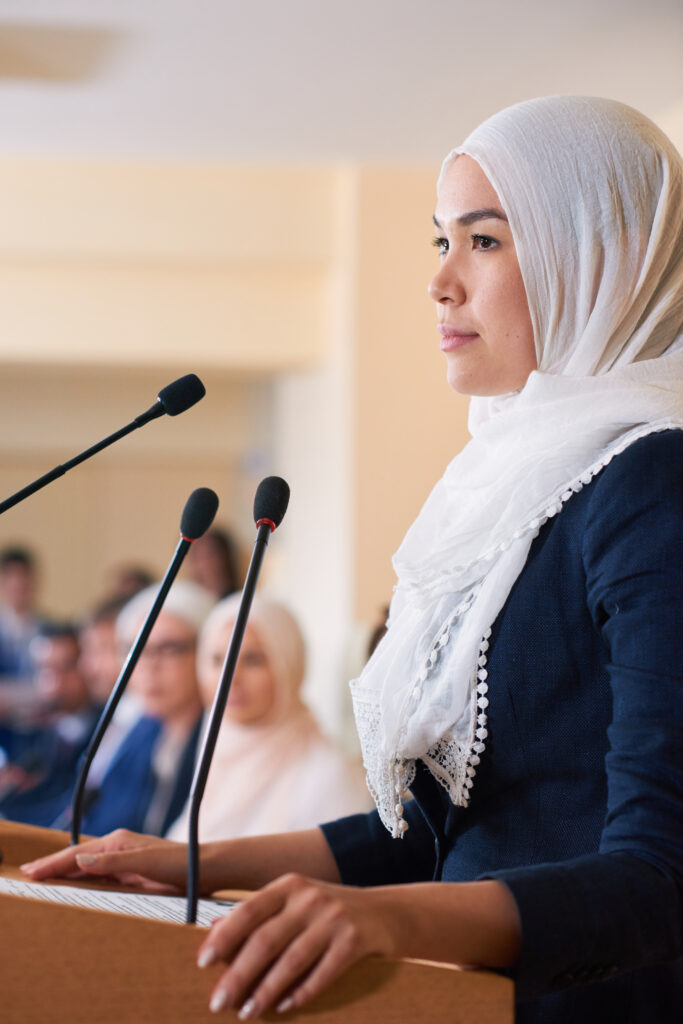

Beyond Classroom
Through the practicum, students gain first-hand exposure to professional environments where Islamic knowledge, ethical leadership, and community engagement are lived in practice. Placements provide opportunities to build networks, strengthen workplace readiness, and explore potential career directions—whether in community organizations, education, research, public service, non-profit work, or related fields aligned with the program’s learning outcomes.
What You’ll Gain
Applied Learning in Real Settings
Use Islamic Studies concepts and methods to respond to real community needs and organizational goals in a supervised placement environment.
Transferable Professional Skills
Build core workplace skills—communication, collaboration, problem-solving, and initiative—that support success across sectors and roles.
Supervised, Hands-On Experience
Gain practical experience with guidance and accountability, helping you develop confidence, professionalism, and consistency in your work.
Career Clarity and Professional Networks
Explore a field aligned with your interests, connect with professionals, and better understand potential pathways after graduation.
Stronger Readiness for Next Steps
Demonstrate applied learning that strengthens applications for graduate studies and improves employment readiness through meaningful experience.

How the Practicum Works
ISP 399 is a required, credit-bearing practicum that gives students the opportunity to gain supervised, real-world experience while applying their academic learning in an approved placement setting. Typically completed in the summer between third and fourth year, the placement includes 200 hours of fieldwork (15 credits) and supports professional growth, career clarity, and readiness for the Honours Thesis pathway.

Step 1: Confirm Eligibility
ISP 399 is typically completed in the summer between third and fourth year. Ensure you are on track with program and specialization requirements before starting.
Step 2: Arrange an Approved Placement
Complete your practicum in an approved setting aligned with Islamic Studies and, where possible, your specialization. CIC provides guidance to help confirm suitability.
Step 3: Complete 200 Hours
Students complete a minimum of 200 supervised hours and are expected to follow agreed schedules, responsibilities, and timelines.
Step 4: Meet Placement Expectations
During the practicum, students are expected to maintain professional conduct, consistent attendance, reflective learning, and complete required documentation and evaluations.
Possible Practicum Placement Settings
Explore where your practicum learning can take place
Capstone Project
Carry out high-level research
In their fourth year, students undertake a comprehensive Honours Thesis. The Honours Thesis sequence is strengthened by the experience students gain through the ISP 399 practicum placement, where academic learning is applied in real settings. This two-part capstone project (HTP 401 & 402) guides students from the initial research proposal to the final thesis submission, supporting high-level, independent research within a specialized area of Islamic Studies.

Frequently asked questions
Find quick answers to common questions about ISP 399, including eligibility, placement requirements, expectations, and how the practicum connects to your Honours Thesis pathway.
When do I complete ISP 399?
ISP 399 is typically completed during the summer semester between your third and fourth years, once you are on track with program and specialization requirements.
How many hours is the practicum?
Students complete a minimum of 200 supervised hours, which is equivalent to 15 academic credits.
Is the practicum required?
Yes. ISP 399 is a required, credit-bearing component of the Honours Bachelor of Arts in Islamic Studies program.
What types of placements are considered appropriate?
Placements must be approved and should align with Islamic Studies and, where possible, your track or specialization. Placements may be in community, education, research, non-profit, policy, or other relevant settings.
What will I be expected to do during the placement?
Students are expected to maintain professional conduct, attend reliably, complete assigned responsibilities, engage in reflective learning, and submit any required documentation and evaluations.
How does ISP 399 connect to the Honours Thesis?
The practicum supports CIC’s applied-learning model and connects to the Honours Thesis sequence:
HTP 401 – Research Proposal and HTP 402 – Thesis Submission (fourth year).Does CIC help students find a placement?
CIC provides guidance to help students secure a suitable placement and confirm that it meets academic and professional standards.